Replacement evaluation
When a Houston roof needs replacement (and what the contractor will check first)
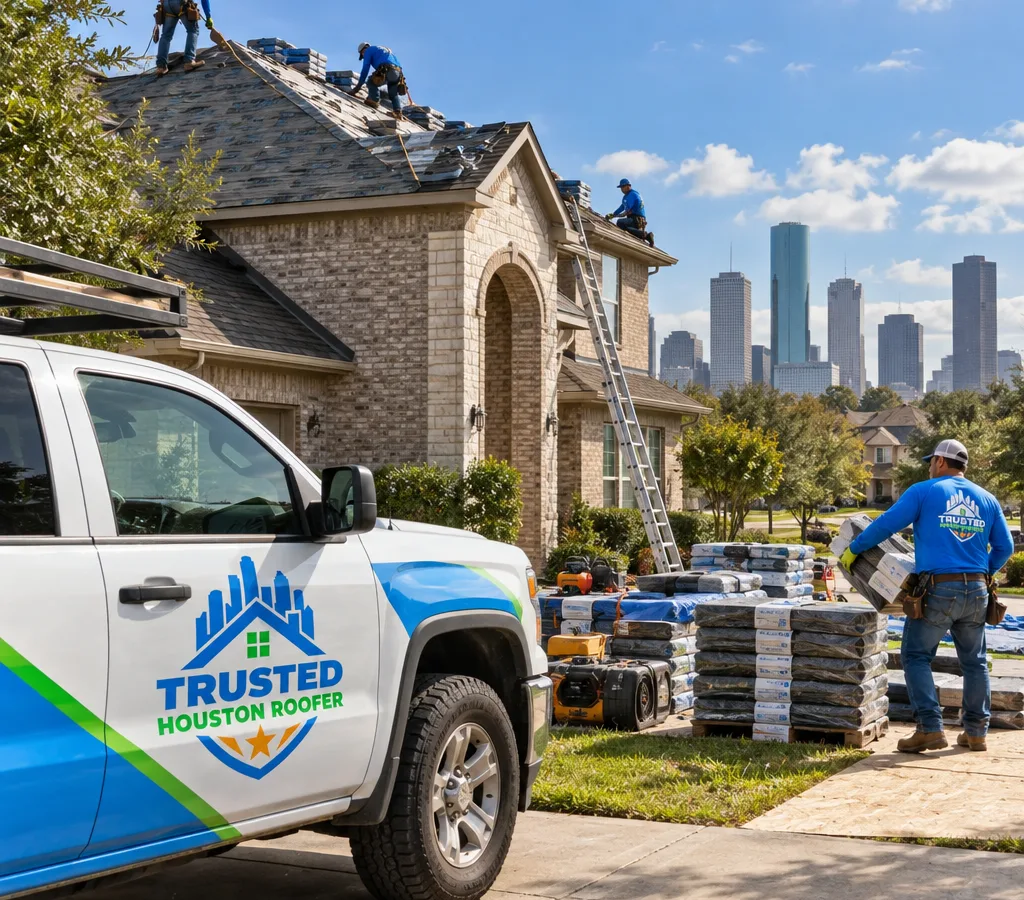
If you're searching for roof replacement in Houston, you're usually dealing with one of two situations: the roof has active leaks or wind damage, or it's reaching the end of its service life and repairs are turning into a cycle.
A local roofer will start by figuring out whether the roof can be repaired responsibly or if a full replacement is the safer path. On a replacement evaluation, expect the contractor to look at:
- Shingle condition: widespread granule loss, brittle tabs, cracking, and missing shingles after storms.
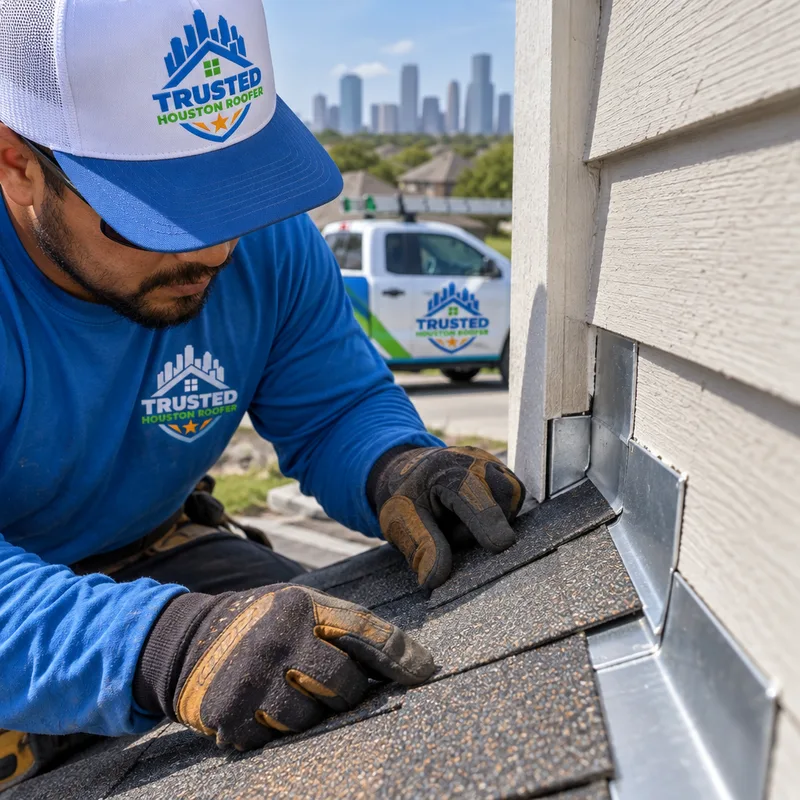
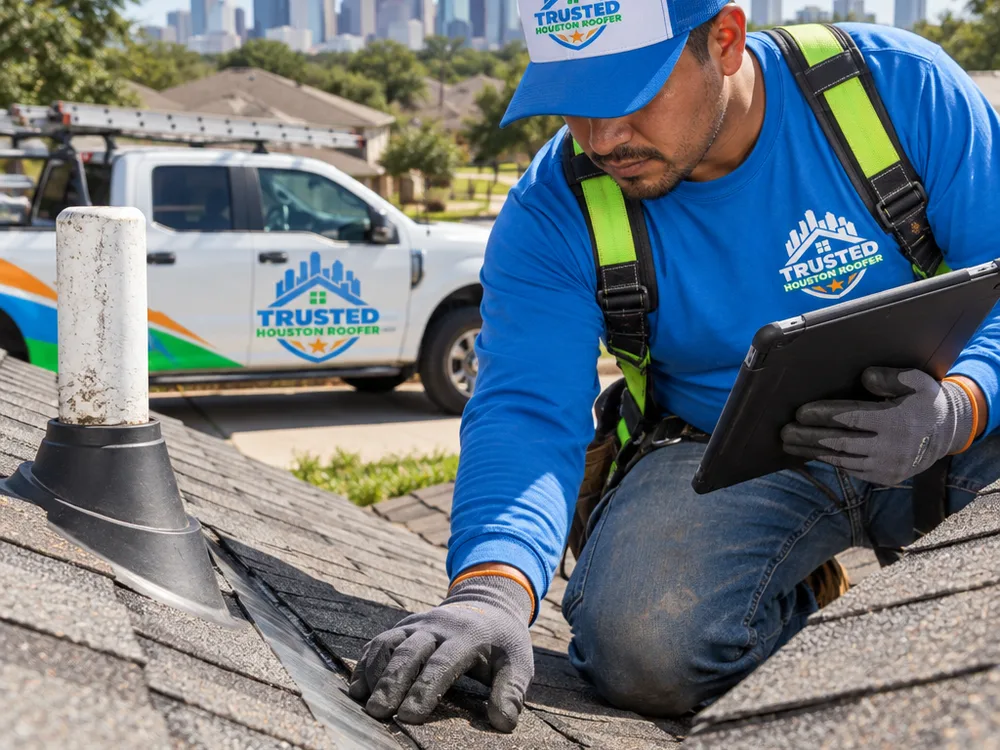
- Flashing details: roof-to-wall transitions, step flashing at sidewalls, chimney flashing, and valley metal. These spots cause many recurring leaks.
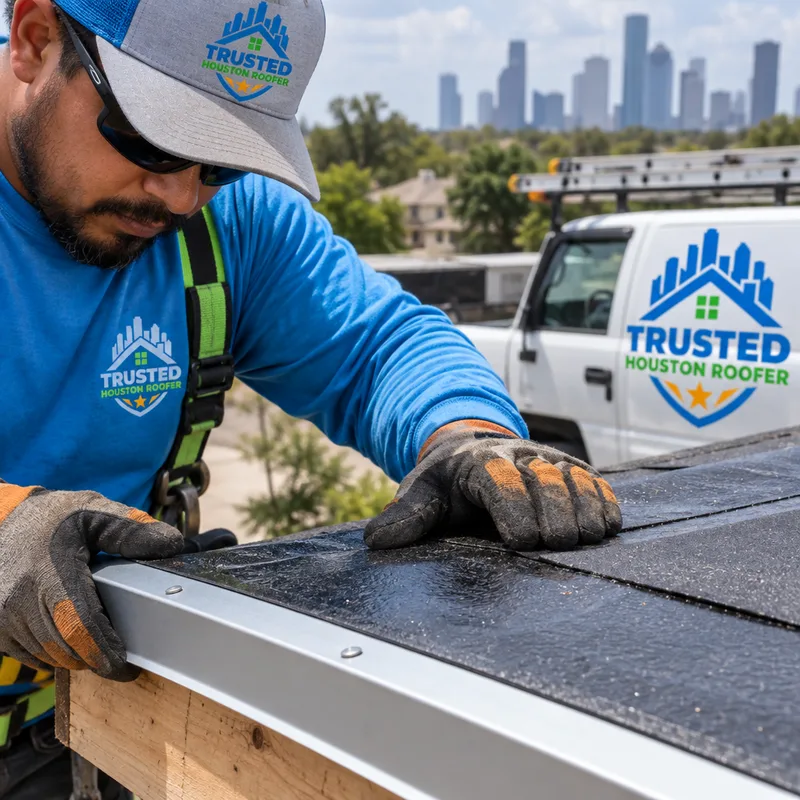
- Decking condition: soft areas, swelling, or rot beneath old shingles. Any compromised decking has to be addressed before new material goes down.
- Ventilation: intake and exhaust balance, including soffit vents, ridge vents, and attic fans. Poor attic ventilation can shorten the life of a new roof and create moisture problems.
- Roof geometry: valleys, dormers, skylights, and penetrations like plumbing vents. Complex roofs need tighter detailing and a clear plan for underlayment and flashing.
Houston's weather makes this assessment practical, not theoretical. High heat and UV exposure age asphalt shingles, and wind-driven rain during strong storms finds weak points at flashing and valleys. In neighborhoods like West University Place and Bellaire, you often see a mix of older rooflines and additions that create extra transitions. In The Heights, many homes have steep slopes and lots of penetrations from remodels and attic conversions, which raises the importance of precise flashing.
If you want a general overview of related services beyond replacement, you can start with roofing in Houston TX.